How do the
Jaguar F-Pace and E-Pace Differ in Cargo Space?
When it
comes to hauling your stuff, the new Jaguar E-Pace and F-Pace models are quite
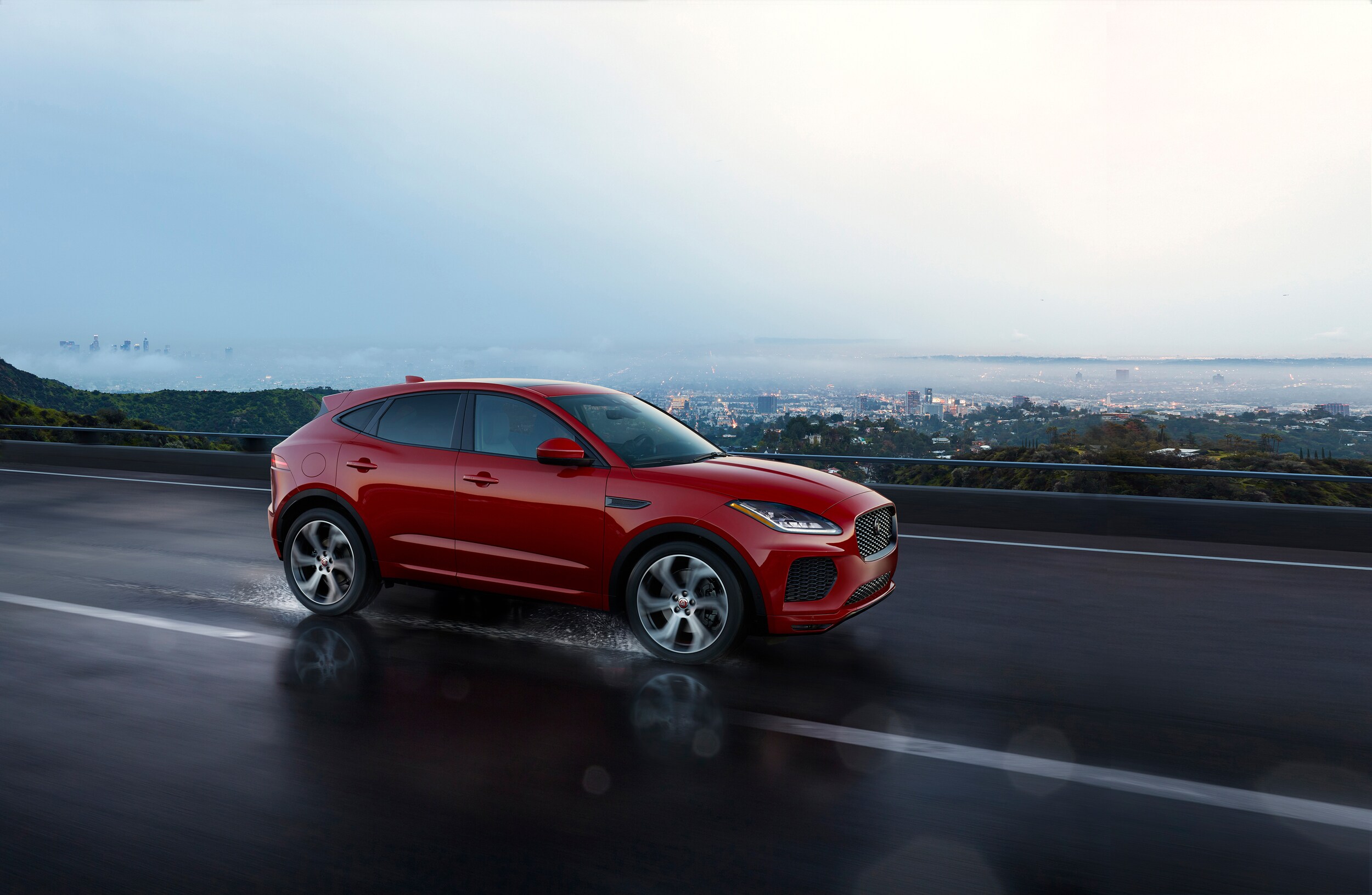
a bit different. The E-Pace is a much more compact model, which is great for
occasional hauling needs and smaller families. You'll get 22.4 cubic feet of
cargo space with all the seats in place, and you can take advantage of the
split-folding rear seats to expand cargo area up to 49.5 cubic feet in total
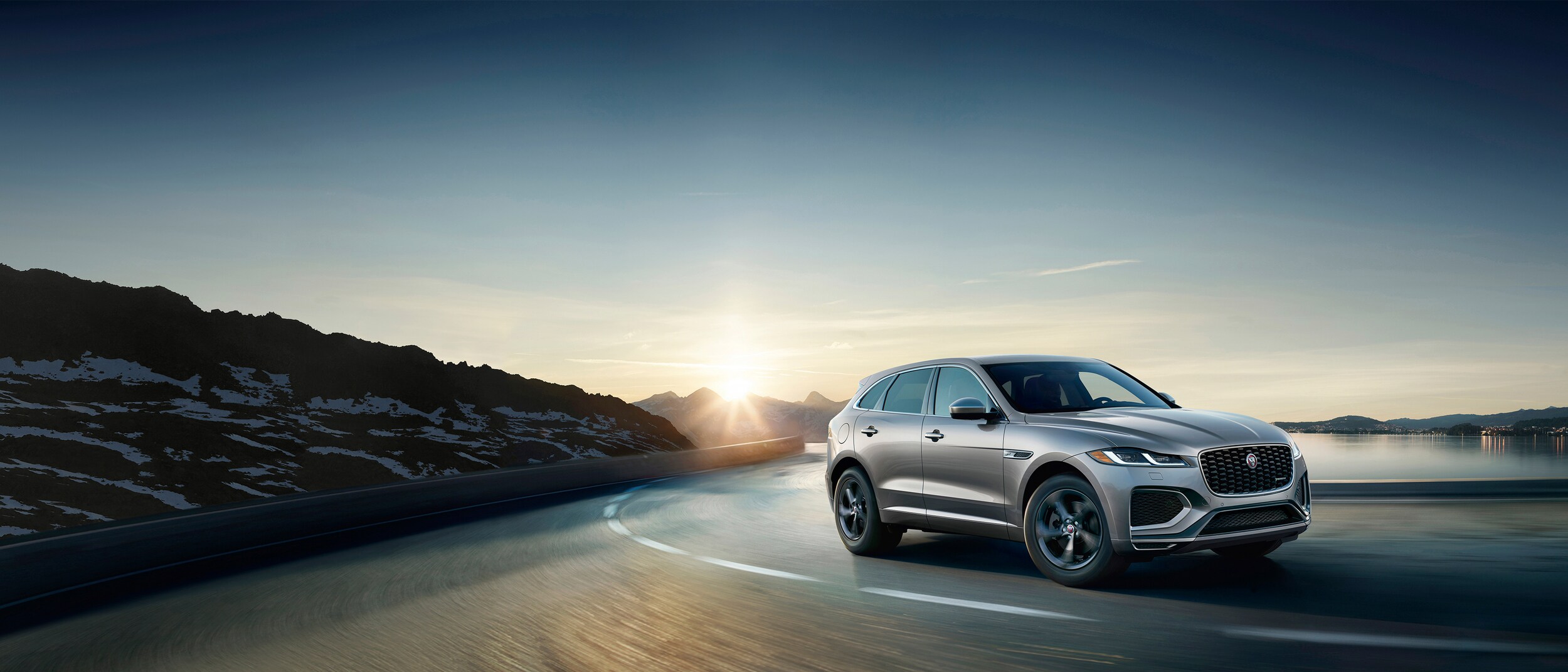
with all seats folded flat. Meanwhile, the Jaguar F-Pace boasts quite a bit
more space even behind the rear seats, giving you 31.5 cubic feet of area to
work with. You can split-fold the rear seats in the larger Jaguar SUV as well,
and doing so will give you up to 69.1 cubic feet of space to work with. If
you're a larger family of five or less that needs plenty of room for groceries,
sports equipment, or luggage, the larger Jaguar F-Pace will be the best fit for
your needs by a wide margin.
Which
Jaguar SUV is Better for Commuting?
While your
storage needs may require you to jump into the Jaguar F-Pace, if you can get
away with the smaller space the Jagaur E-Pace is a much better choice for daily
commuting. The shorter wheelbase makes it more nimble, so you can more easily
change lanes, duck into tight parking spaces, and parallel park with greater
confidence. It also features a smaller blind spot than the F-Pace, so if you
drive on the highway often, you may appreciate the added visibility. Still,
both the Jaguar F-Pace and Jaguar E-Pace SUVs come with forward collision
alert, automatic emergency braking, and adaptive cruise control, and you can
add blind spot monitoring and rear cross traffic alert to both SUVs as
well.



 AdChoices